VIVRE EN SYMBIOSE
AVEC LES OCÉANS
Nous développons une nouvelle génération d’écosystèmes humains offshore capables de répondre aux défis des territoires insulaires et côtiers. Nous pensons que la meilleure manière de comprendre et protéger l’Océan est d’apprendre à travailler en symbiose avec lui. Nous voulons démontrer qu’il est possible de s’adapter au changement climatique et à la montée des eaux, sans combattre ni fuir la mer.
À partir de l'état de l'art scientifique disponible et de technologies matures et émergentes, nous proposons une nouvelle forme de collaboration symbiotique avec l’Océan pour transformer des contraintes en opportunités. Nous voulons contribuer à la résilience et à l’épanouissement des communautés vulnérables et de tous les habitants de l’Océan.
L'initiative portée par Civilisation Indigo vise une réponse transformatrice aux défis mondiaux du changement climatique, de la rareté des ressources et de l'élévation du niveau de la mer, en mettant l'accent sur les communautés insulaires et côtières vulnérables : environ 400 millions de personnes impactées par la montée des eaux d'ici à 2100 (World Economic Forum).
 |  |  |  |  |
|---|---|---|---|---|
 |


UNE INITIATIVE POUR FAIRE FACE AU CHANGEMENT GLOBAL
Un processus collaboratif avec la communauté du territoire pour relever ses défis actuels et futurs
UN PROJET EXPÉRIMENTAL TRANSDISCIPLINAIRE
Un programme de recherche-action pour une économie bleue régénérative offshore exemplaire
UNE ORGANISATION
À BUT NON LUCRATIF
Au service de l’intérêt général et durable des
territoires côtiers et insulaires vulnérables

PROJET PILOTE À BORA BORA,
POLYNÉSIE FRANÇAISE
Consultez notre documentation :
SMART OPEN-SEA ECOSYSTEM
- Economie Bleue Régénérative en mer ouverte pour transformer des contraintes en opportunités -
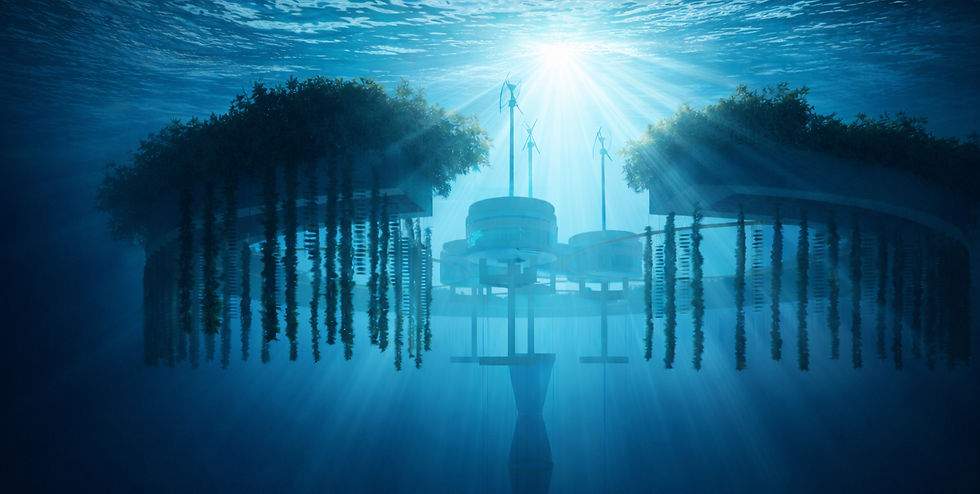
Notre solution d’adaptation et de développement durable est le Smart Open-sea Ecosystem (SOE). Il s'agit d'une extension territoriale maritime destinée à accueillir un écosystème de co-activités synergiques et régénératives situé au-delà des côtes et des lagons pour atténuer les pressions anthropiques sur ces écosystèmes fragiles. Les SOE servent de plateformes adaptatives visant l'auto-suffisance alimentaire et énergétique, une économie bleue inclusive et diversifiée, la résilience socio-culturelle de la communauté, et l’adaptation au changement climatique du territoire.
A l’initiative de Civilisation Indigo, association française à but non lucratif et reconnue d’intérêt général, notre méthodologie repose sur la co-construction avec la communauté du territoire, et allie innovation scientifique, respect culturel et collaboration entre organismes à but non lucratif, publics et commerciaux. Civilisation Indigo anime un réseau international d’expertises pluridisciplinaires pour faire mûrir des technologies émergentes et valider des modèles synergiques viables et réplicables dans le monde entier. De l’idéation à l’exécution opérationnelle, nous veillons aux intérêts et à l’adhésion de toutes les parties prenantes : communautés locales, biodiversité, autorités publiques et acteurs économiques.
Notre action vise à ouvrir la voie à une nouvelle relation homme-océan, en transformant les menaces existentielles en opportunités et en contribuant à 9 des objectifs de développement durable des Nations Unies.